Warehouse Technology
Getting warehouse technology right starts with looking closely at the material. We design, install and maintain, from the filling point to the roller conveyor.
Look at the material first, then decide the equipment.
Free-flowing or cohesive, dusty or sticky, 5 kilos or 50: that determines what works in the warehouse. So we begin with a site survey, not with a selection from a list.
Filling stations
Whether sack, big bag or container, in filling it is dosing accuracy and dust control that decide how clean the building stays and how much material is lost. We design both together, not one after the other.
- Sacks and big bagsWith filling spout, clamping and extraction.
- Coarse and fine feedTwo-stage dosing for the accuracy required.
- Dust controlExtraction points where the dust is actually generated.
Feeders and dosing units
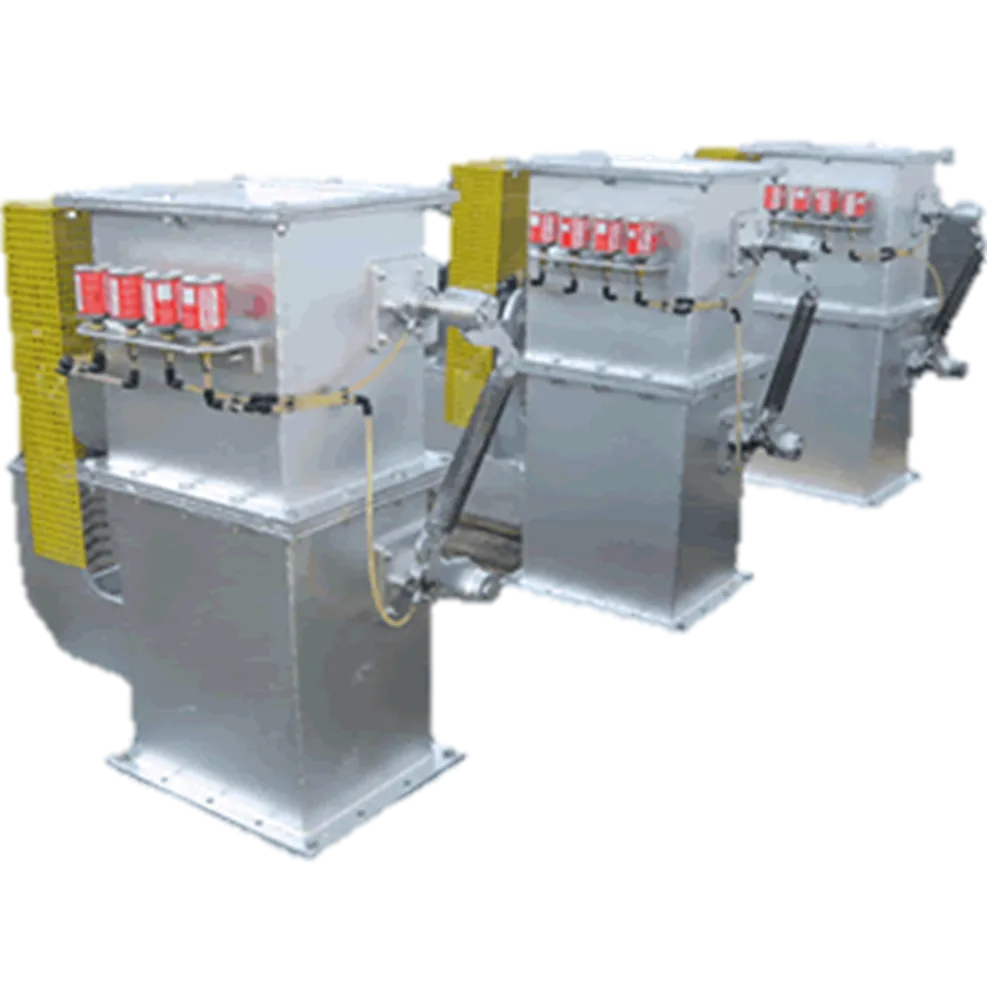
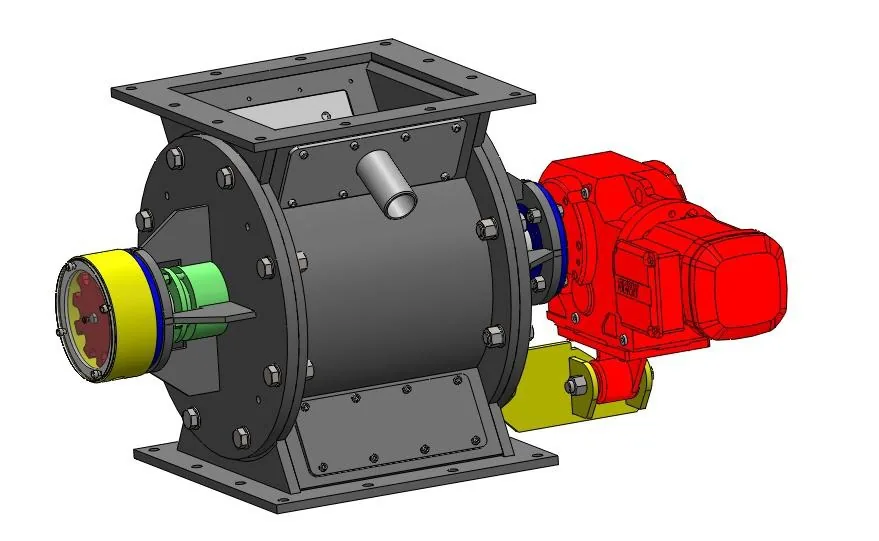
In a warehouse, feeders rarely run continuously; they run in batches. That places different demands on start-up behaviour, residual emptying and tightness than in a process line.
- Rotors and gatesDesigned for batch operation.
- Residual emptyingSo that nothing is left behind on a product change.
- TightnessAgainst dust escape and false air.
Diverters
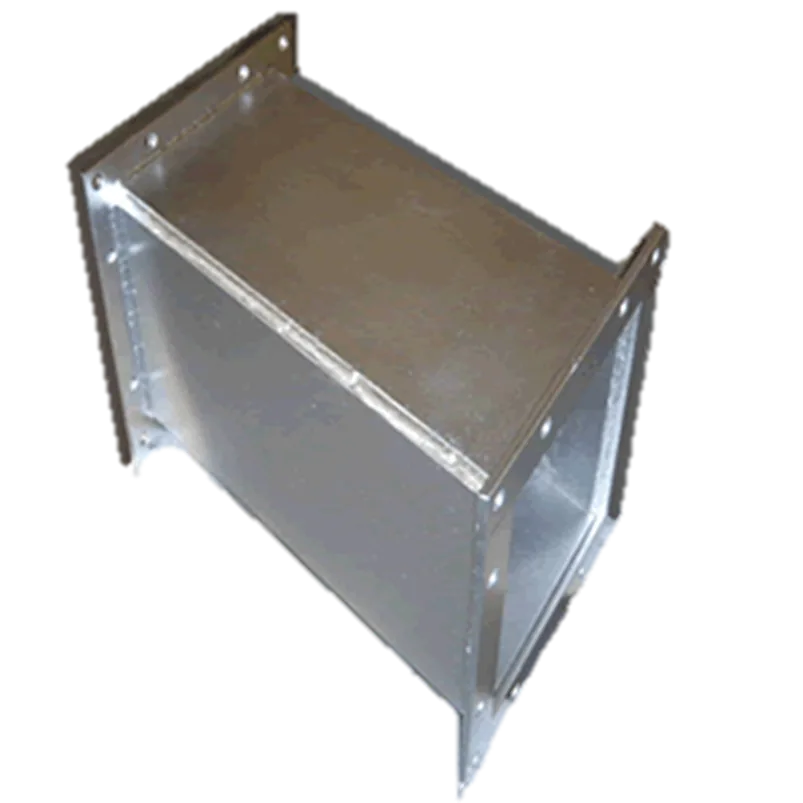
Diverters split the flow between several destinations. What matters is that the end position is reliably detected and the flap closes tightly. Otherwise material ends up where it does not belong.
- Two-way and three-way divertersAs a pipe or box diverter.
- Actuator to suitHand lever, pneumatic or electric.
- End position sensingFeedback to the control system, so the plant knows where it stands.
Palletisers
Palletising is above all about the layer pattern, the slip sheet and the outfeed matching one another. We design the equipment so that you can still change the layer pattern later.
- Layer formingMatched to the pack and the pallet dimensions.
- Slip sheets and magazineFor stable stacks right through to load securing.
- OutfeedRoller or chain conveyor as far as the wrapper.
Roller conveyors
Roller conveyors are the simplest equipment in the warehouse. They last longest when roller pitch and bearings suit the pack. We build driven and gravity conveyors, straight or curved.
- Driven or gravityDepending on gradient, weight and cycle time.
- Curves and transfersWith tapered rollers for clean running through the curve.
- Lift tables and stopsFor transfer between two levels or two lines.
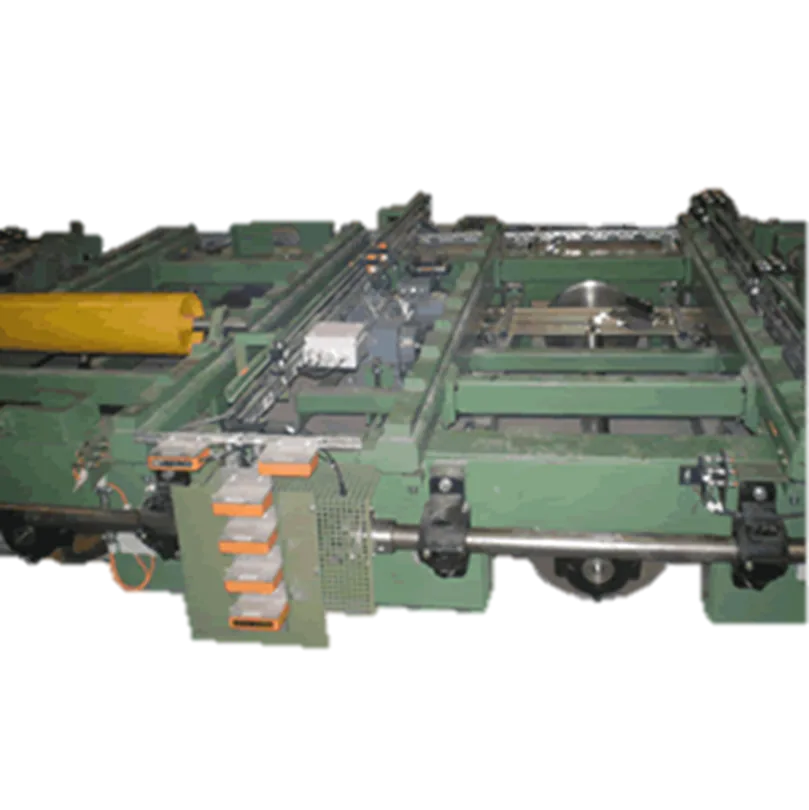
Equipment for the warehouse.
Good to know.
Yes. In a warehouse, space is usually the real problem. We survey on site, check gangways, columns and connection heights and size the equipment so that it genuinely fits.
As a rule, yes. An extra diverter, a longer line or a second filling point can often be connected to the existing equipment without replacing everything.
Yes. Warehouse technology falls within the same scope of service as process conveying. Fixed intervals can be agreed.
Plant down? Give us a call.
When there is a fault or a plant stoppage, every hour counts. One call is enough: together we assess the situation, agree the next steps and support you directly on site if needed.